Ask any seasoned partner in a chartered accounting firm about the most uncomfortable moment of their career, and a familiar pattern emerges. It is rarely the lost tender, the difficult client, or the late-night reconciliation. More often, it is the moment they discovered that a document they had relied on in good faith — a bank confirmation, a board resolution, a valuation report, a tax clearance — was not what it appeared to be.
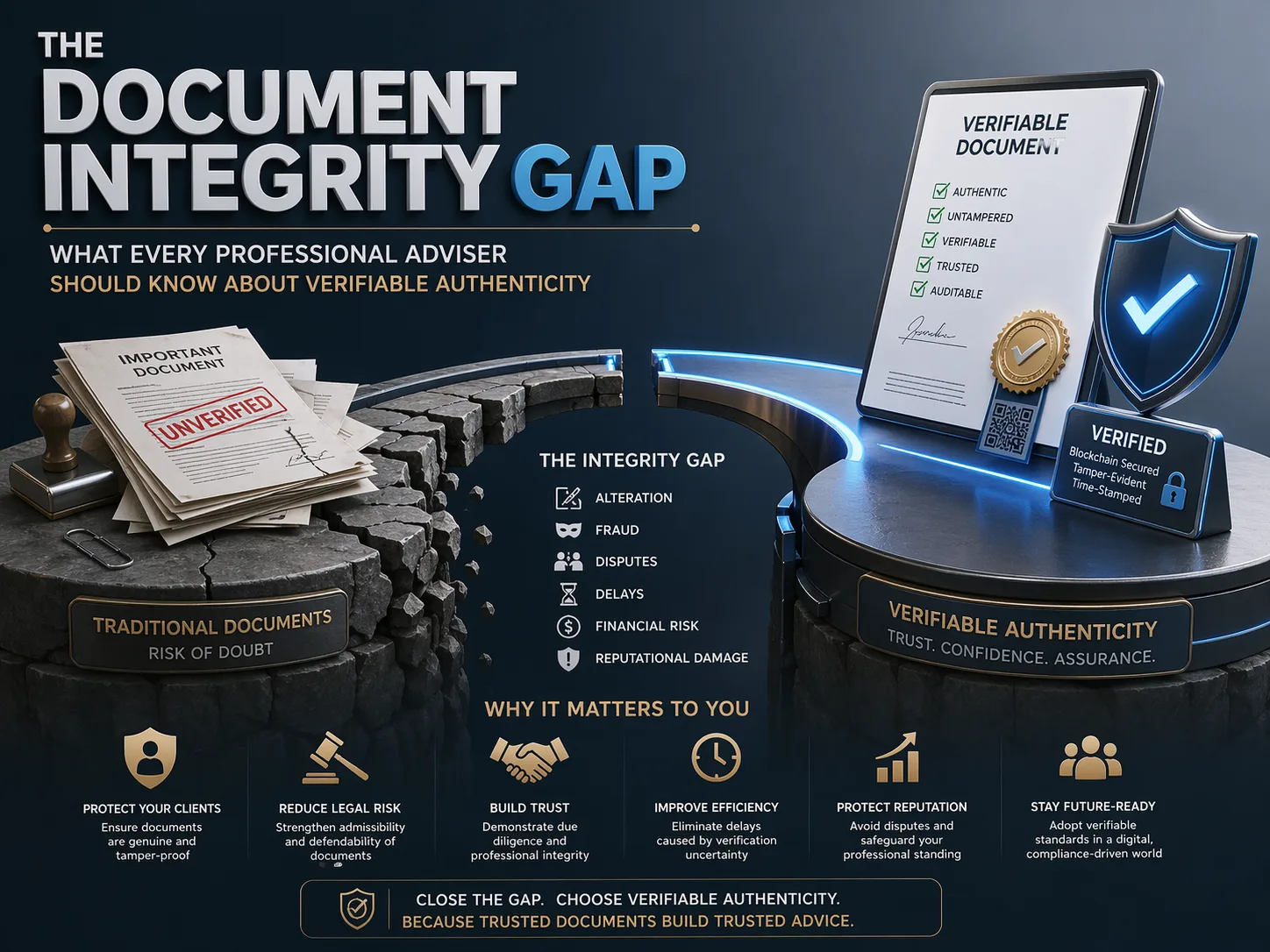
The Document Integrity Gap
What Every Professional Adviser Should Know About Verifiable Authenticity
Ask any seasoned partner in a chartered accounting firm about the most uncomfortable moment of their career, and a familiar pattern emerges. It is rarely the lost tender, the difficult client, or the late-night reconciliation. More often, it is the moment they discovered that a document they had relied on in good faith — a bank confirmation, a board resolution, a valuation report, a tax clearance — was not what it appeared to be.
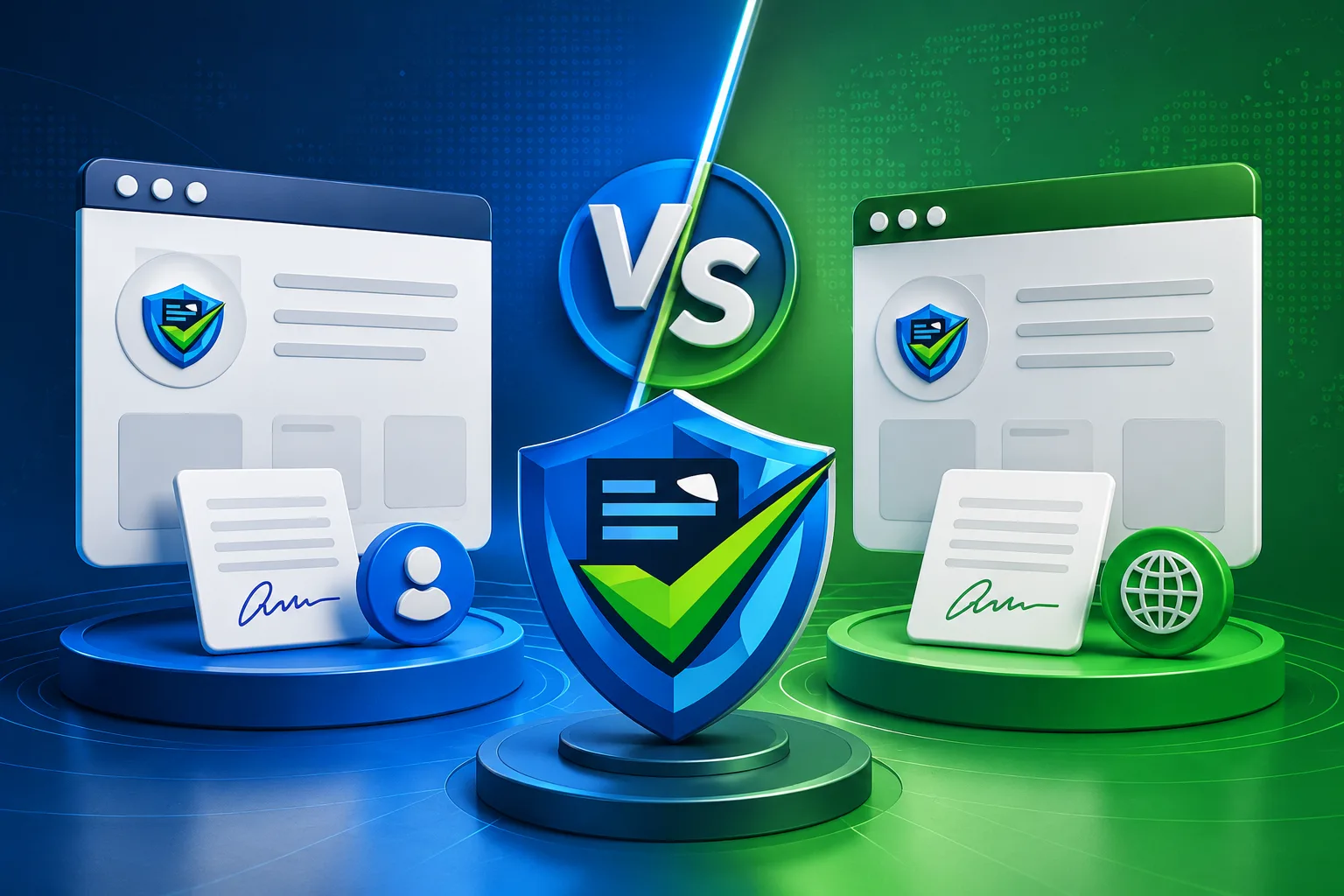
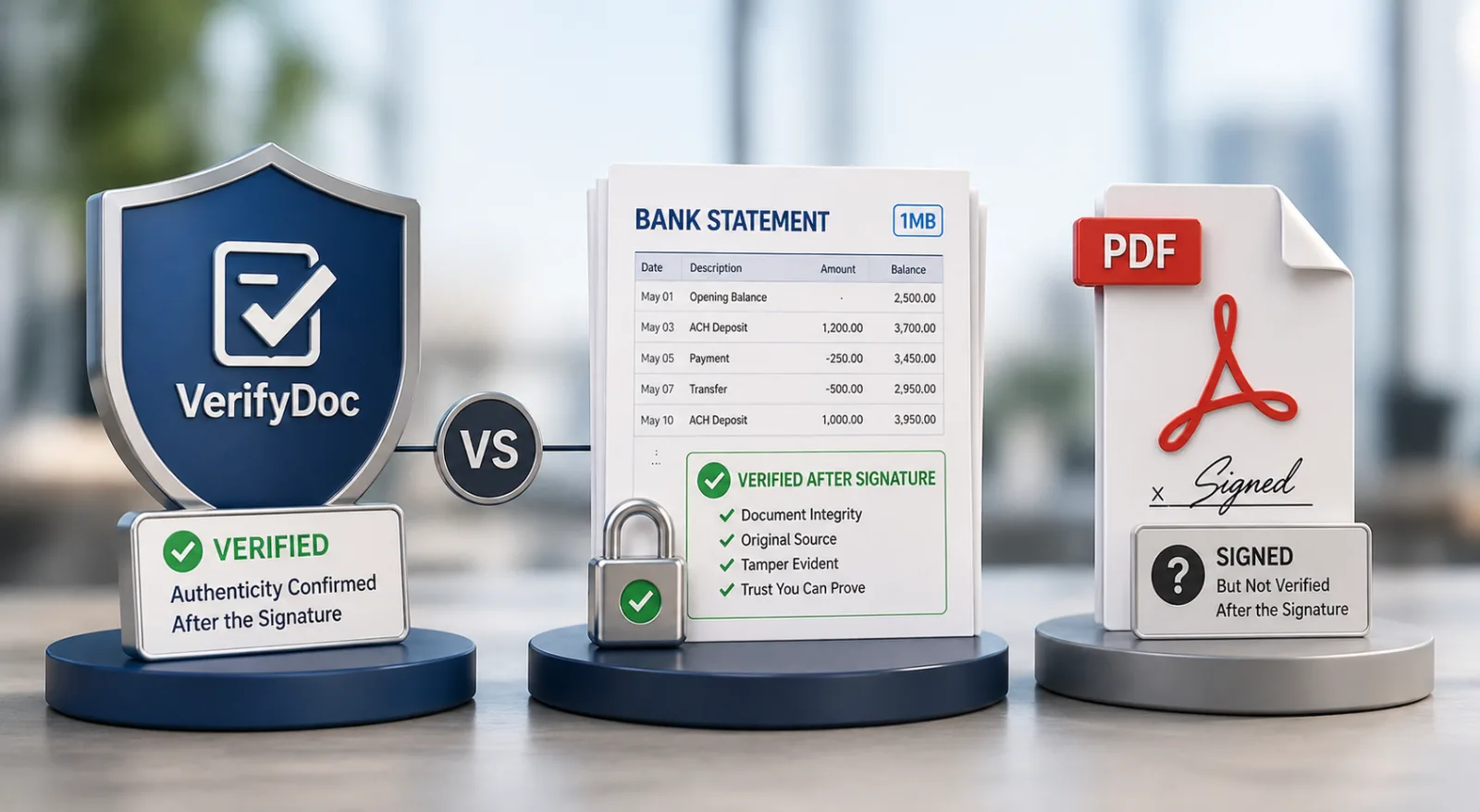
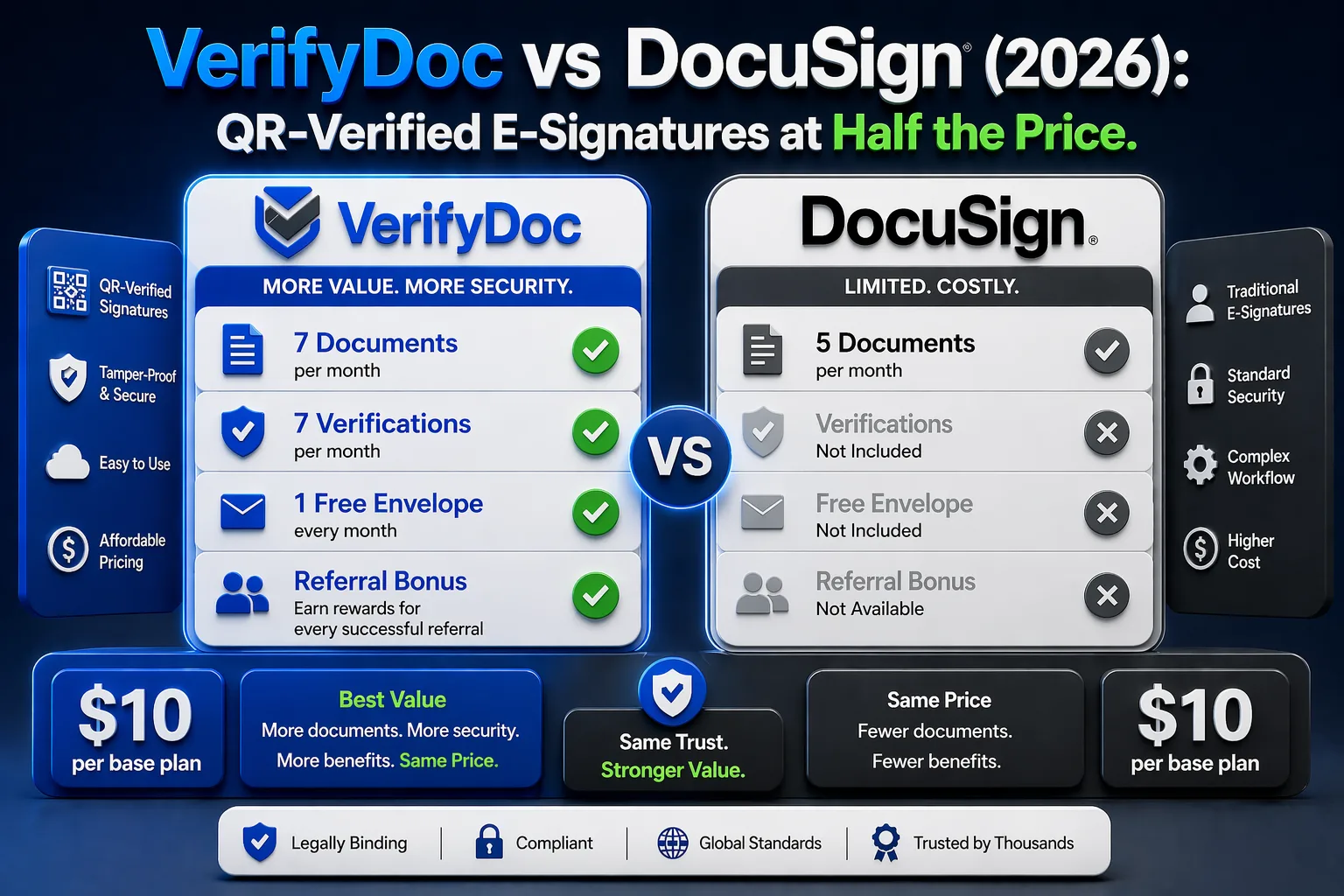
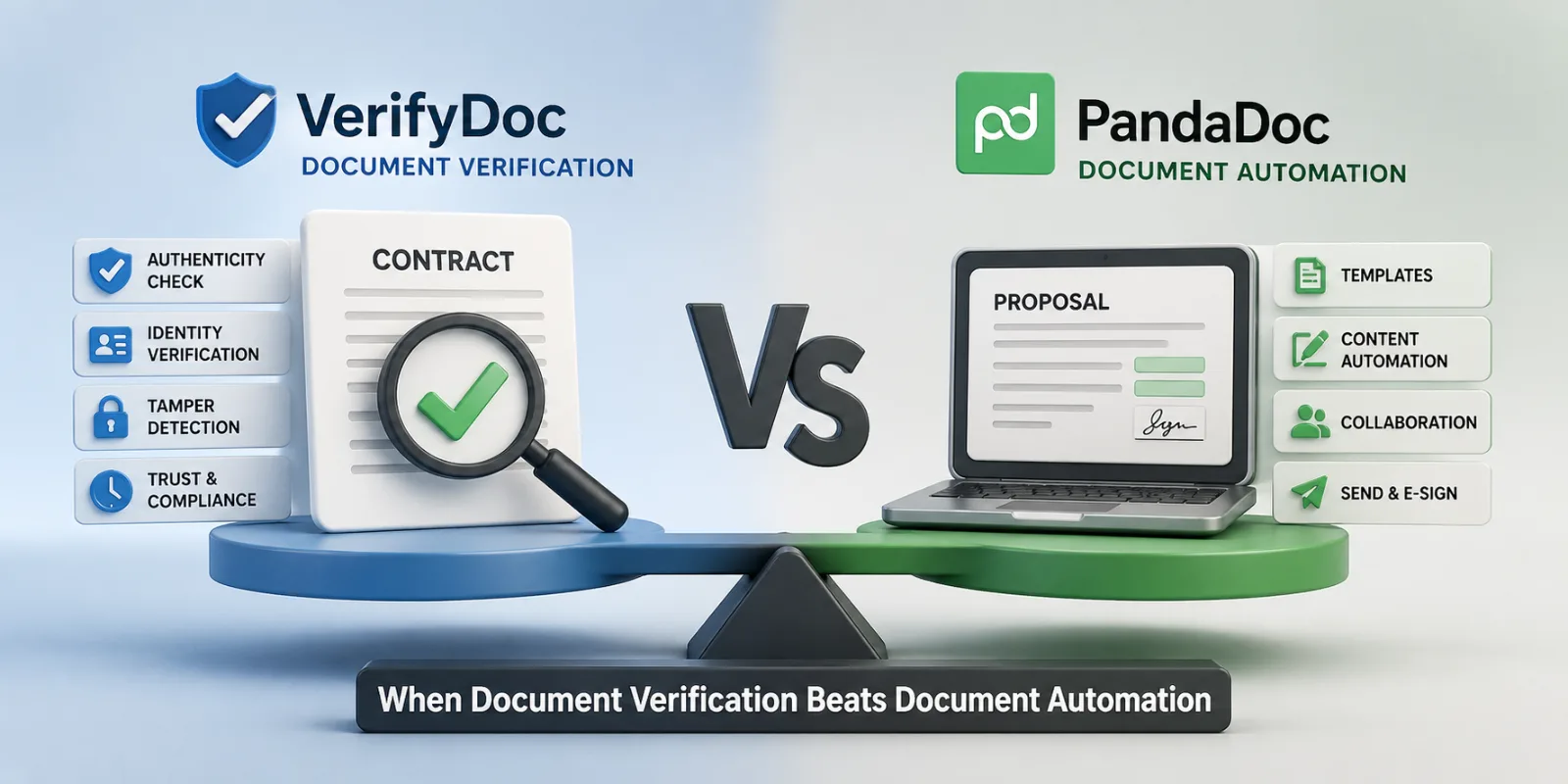
A candid comparison of VerifyDoc and DocuSign — QR-code Certificate of Authenticity, cheaper pricing, native Word and Google Docs plugins, and why a signature alone no longer proves a document is real.
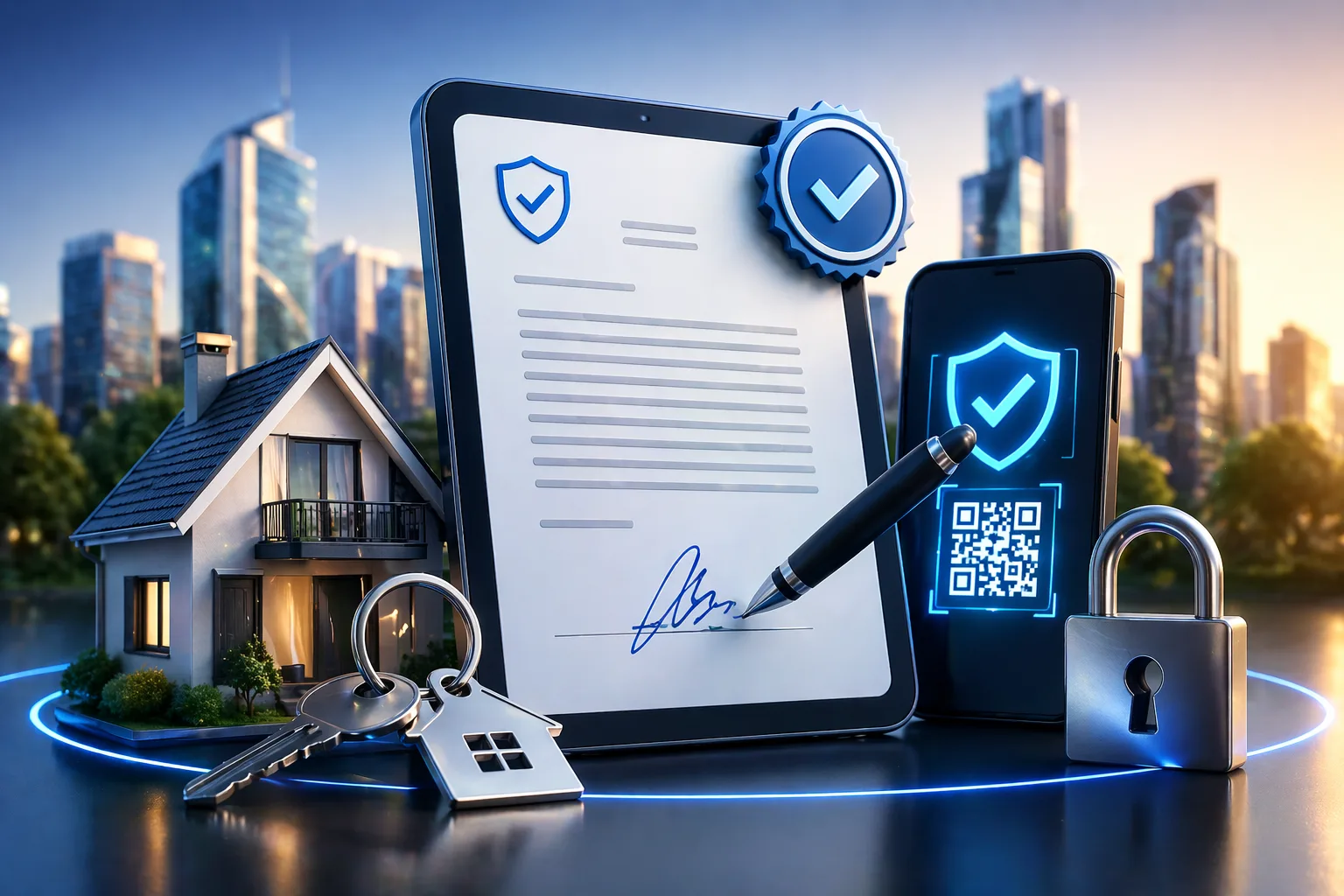
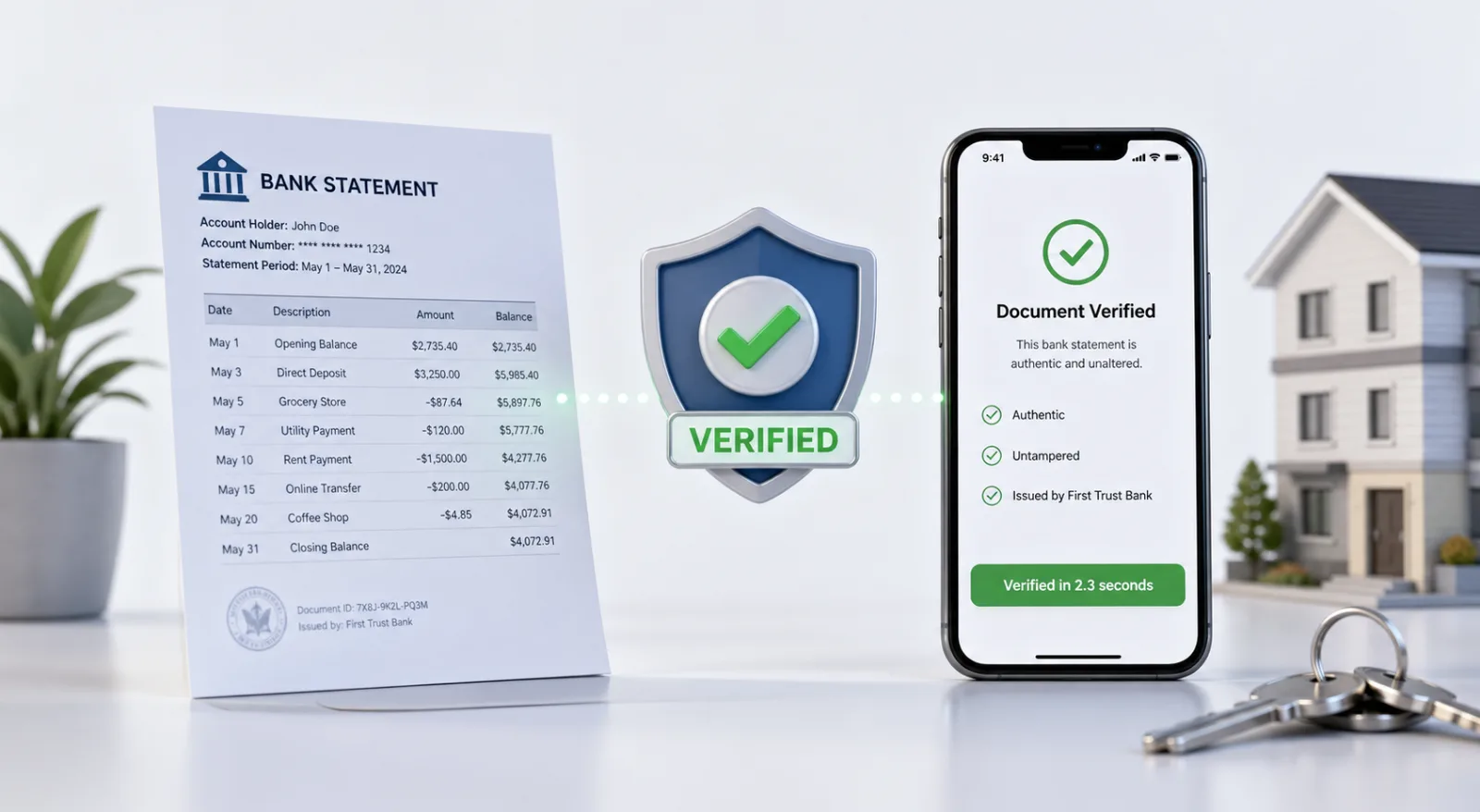
Real estate runs on documents that travel — offers, disclosures, leases, pay stubs, bank statements, employment letters — and every one of them is now being forged with AI. In 2026, a modern real estate workflow combines legally binding e-signature with portable document verification (a QR code on every signed document that any counterparty can scan to confirm authenticity). This guide shows agents, brokers, landlords, and property managers how to set up that workflow, what documents need verification most, and why it pays for itself the first time it catches a fake paystub.
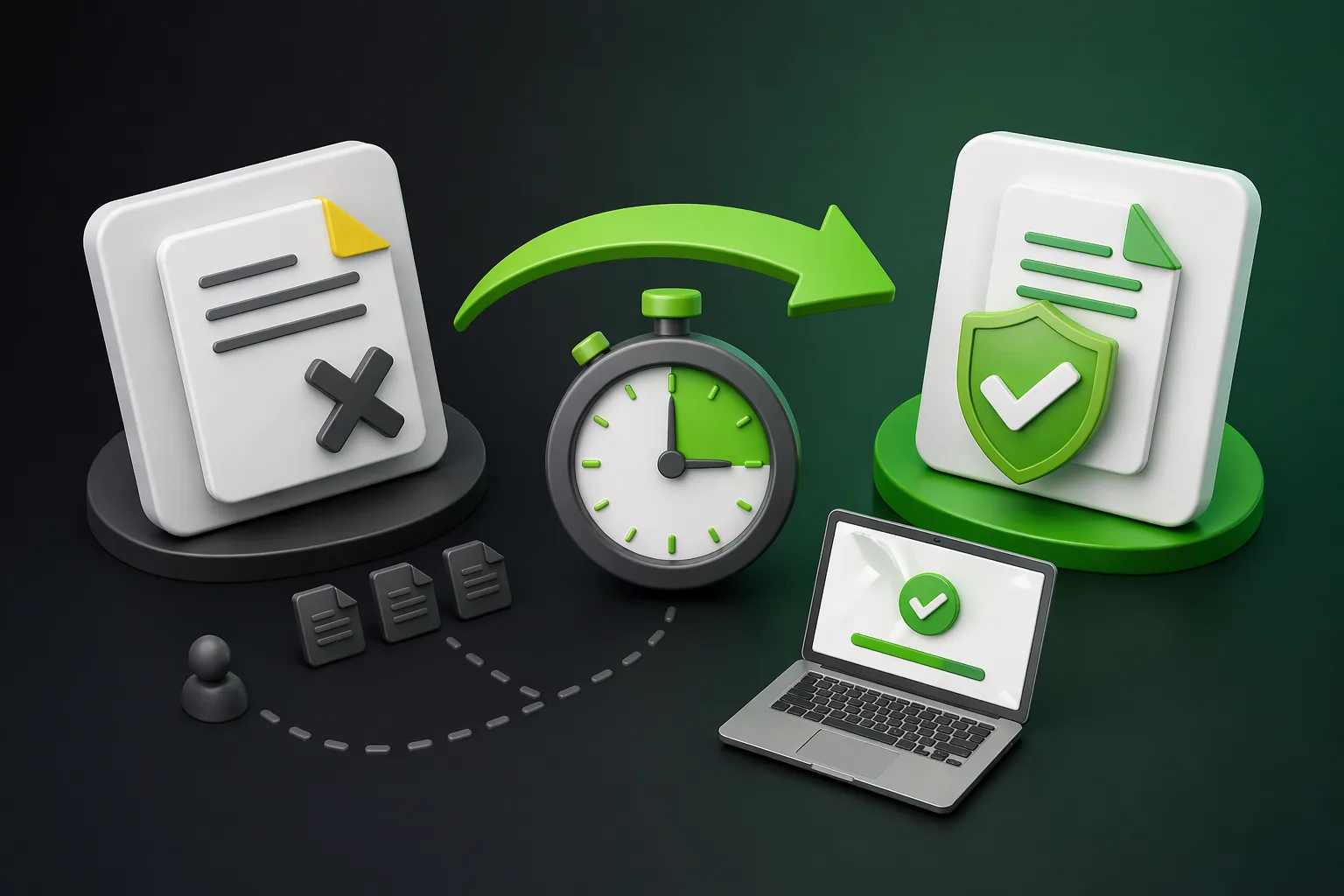
Switching e-signature platforms sounds scary. In practice, a small or mid-sized team can move from DocuSign to VerifyDoc in under 30 minutes: export your historical envelopes, rebuild your 2–3 core templates, invite your colleagues, and turn on default QR-code verification on outgoing documents. You'll keep every compliance guarantee you had on DocuSign — and gain a Certificate of Authenticity on every signed document, a more affordable price, and free envelopes at signup plus every month. This guide is the exact playbook.
Most "free" e-signature tools in 2026 cap you at 3 documents per month, then start nudging you to upgrade. A few platforms offer genuinely useful free tiers with no credit card required. And one — VerifyDoc — goes further: 3 free envelopes at signup + 1 free envelope every month, forever, and every document includes a QR code and a Certificate of Authenticity on the free tier. This guide compares the serious free options honestly, shows where the hidden limits are, and explains why "free forever with something real in the box" beats "free for 14 days."
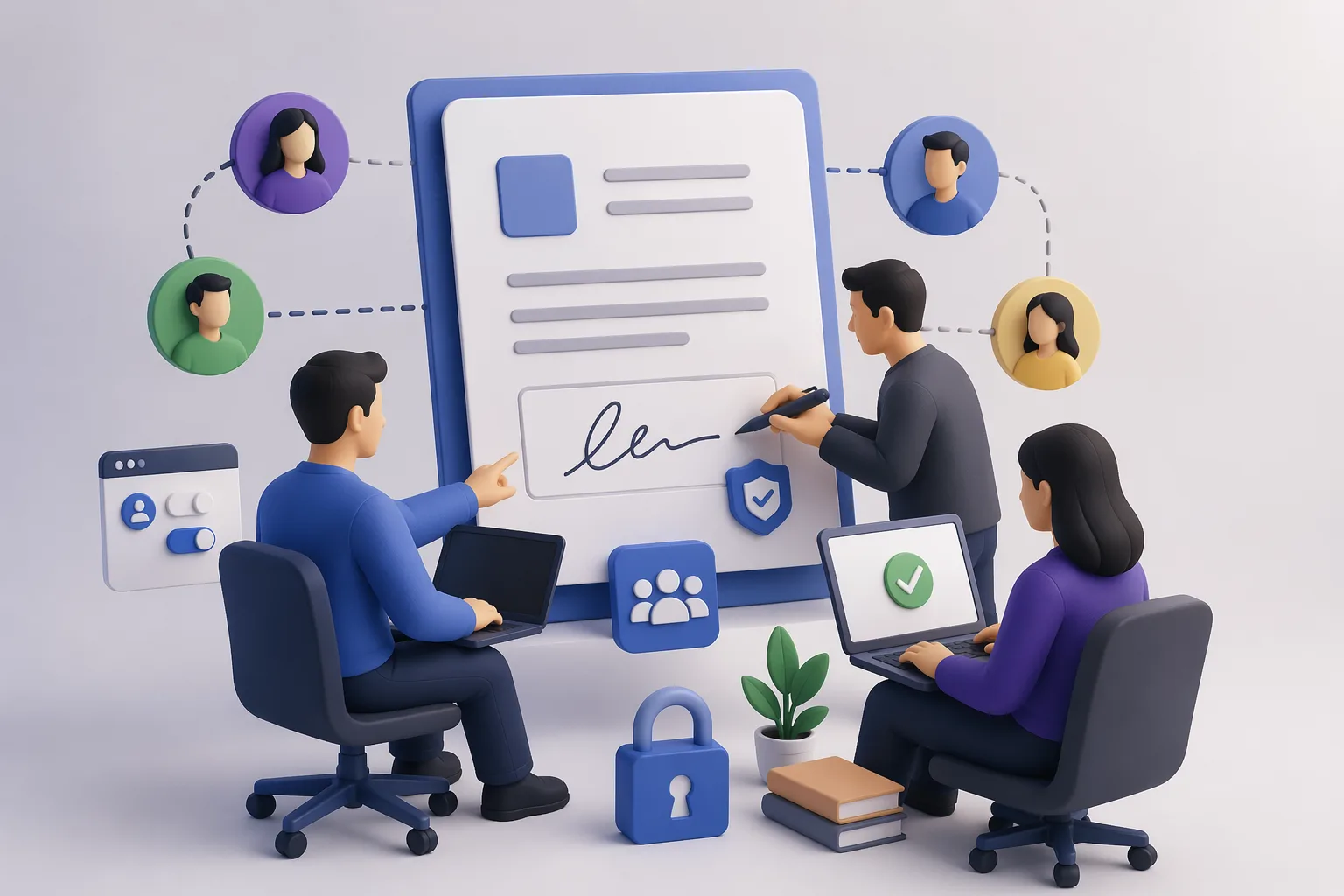
TL;DR (30 seconds): The moment you go from one person sending documents to a team, e-signature stops being about "the signing experience" and becomes about roles, permissions, templates, audit trails, and who can speak for the company. This guide walks through the seven decisions every growing team faces when setting up multi-user e-signature — and shows a reference workflow that works from a three-person startup to a hundred-person operations team without rewrites.
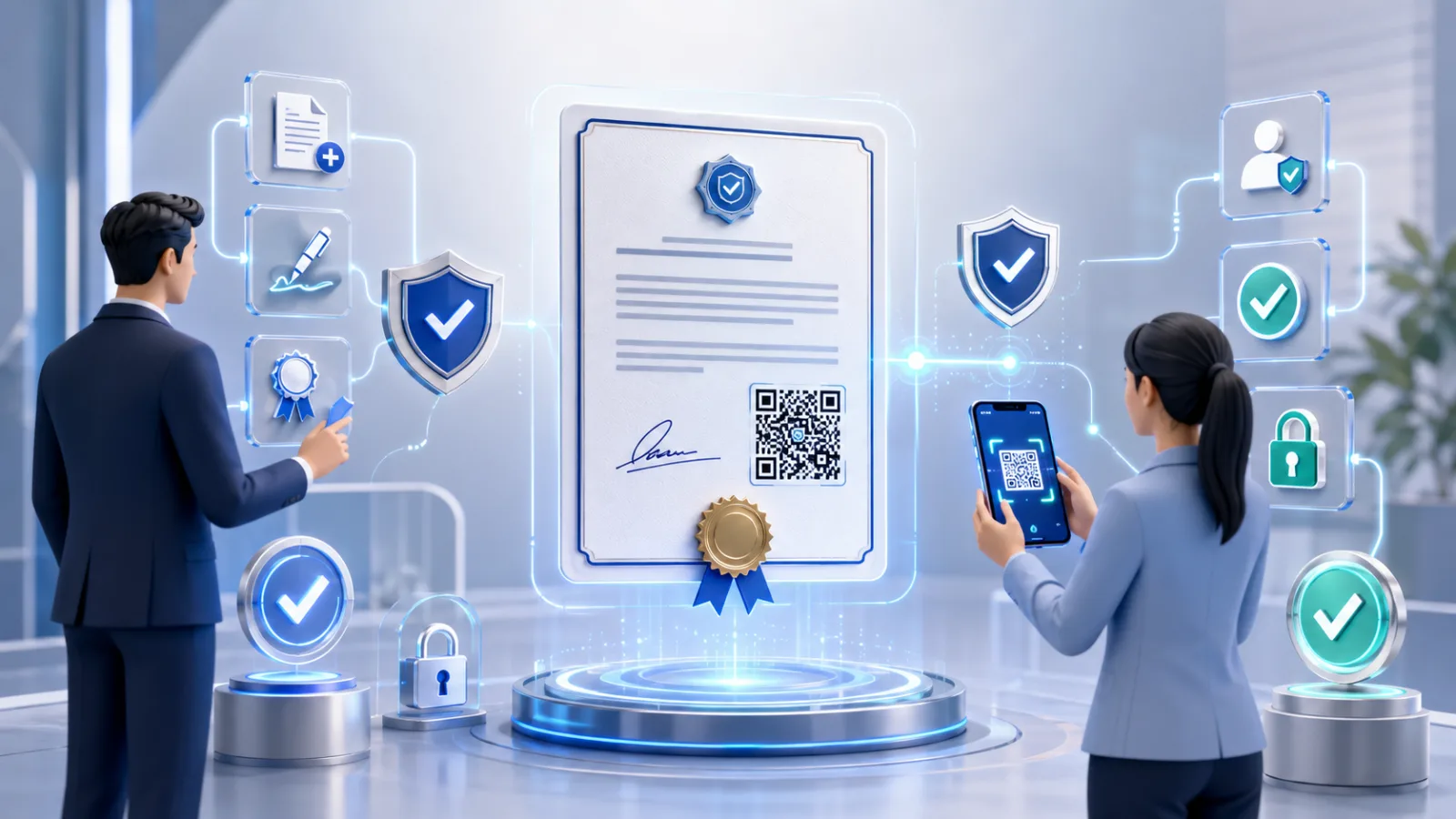
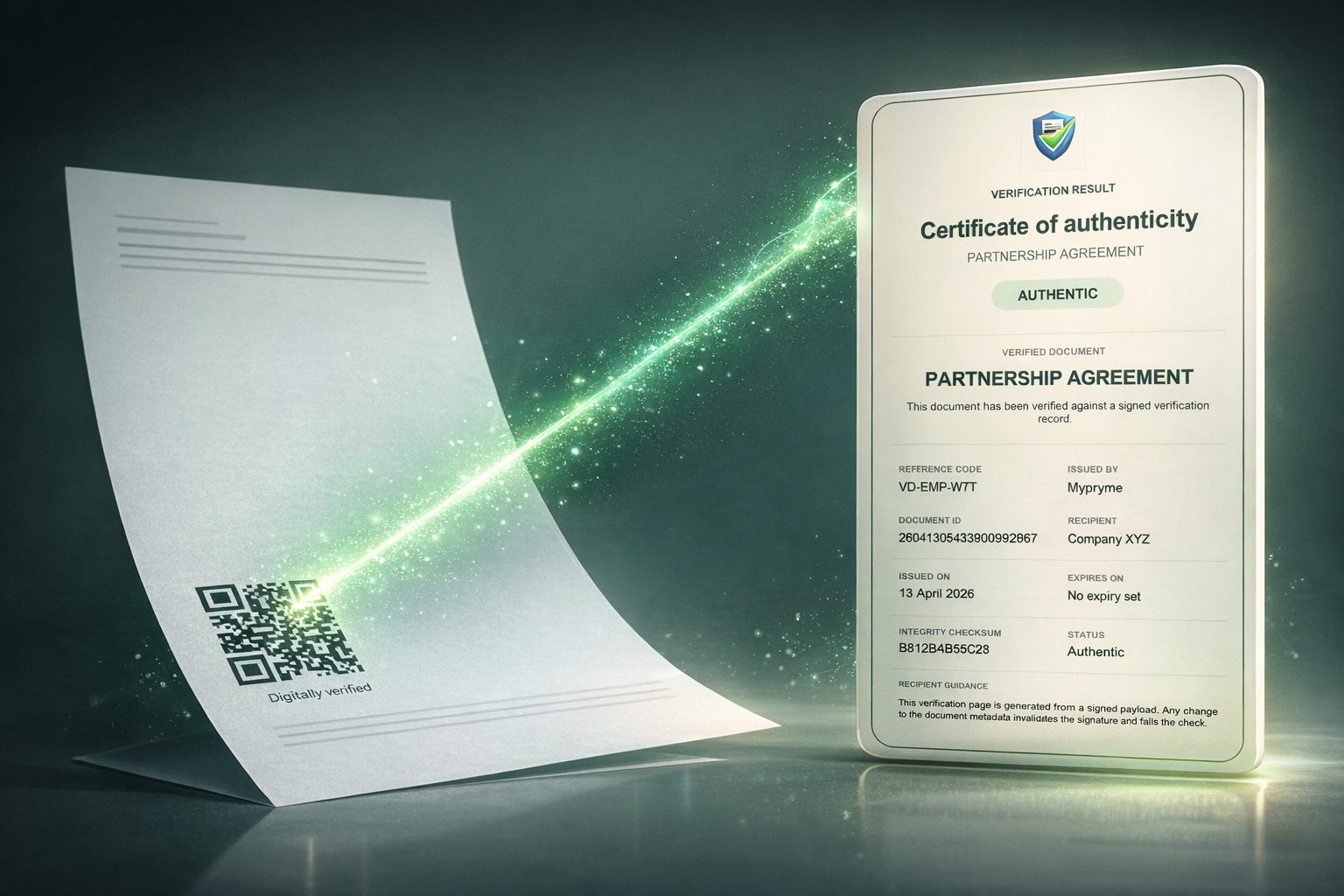
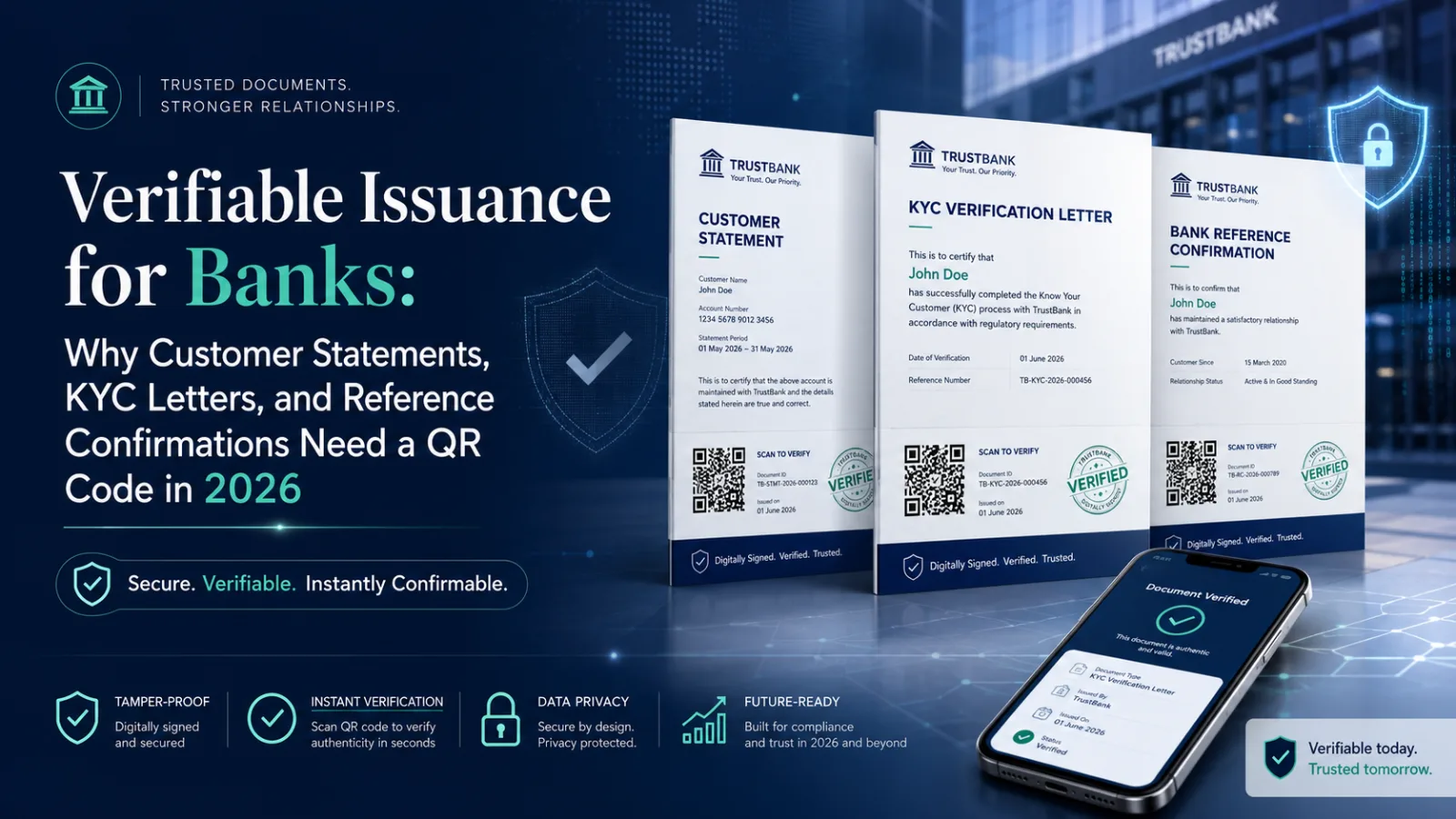
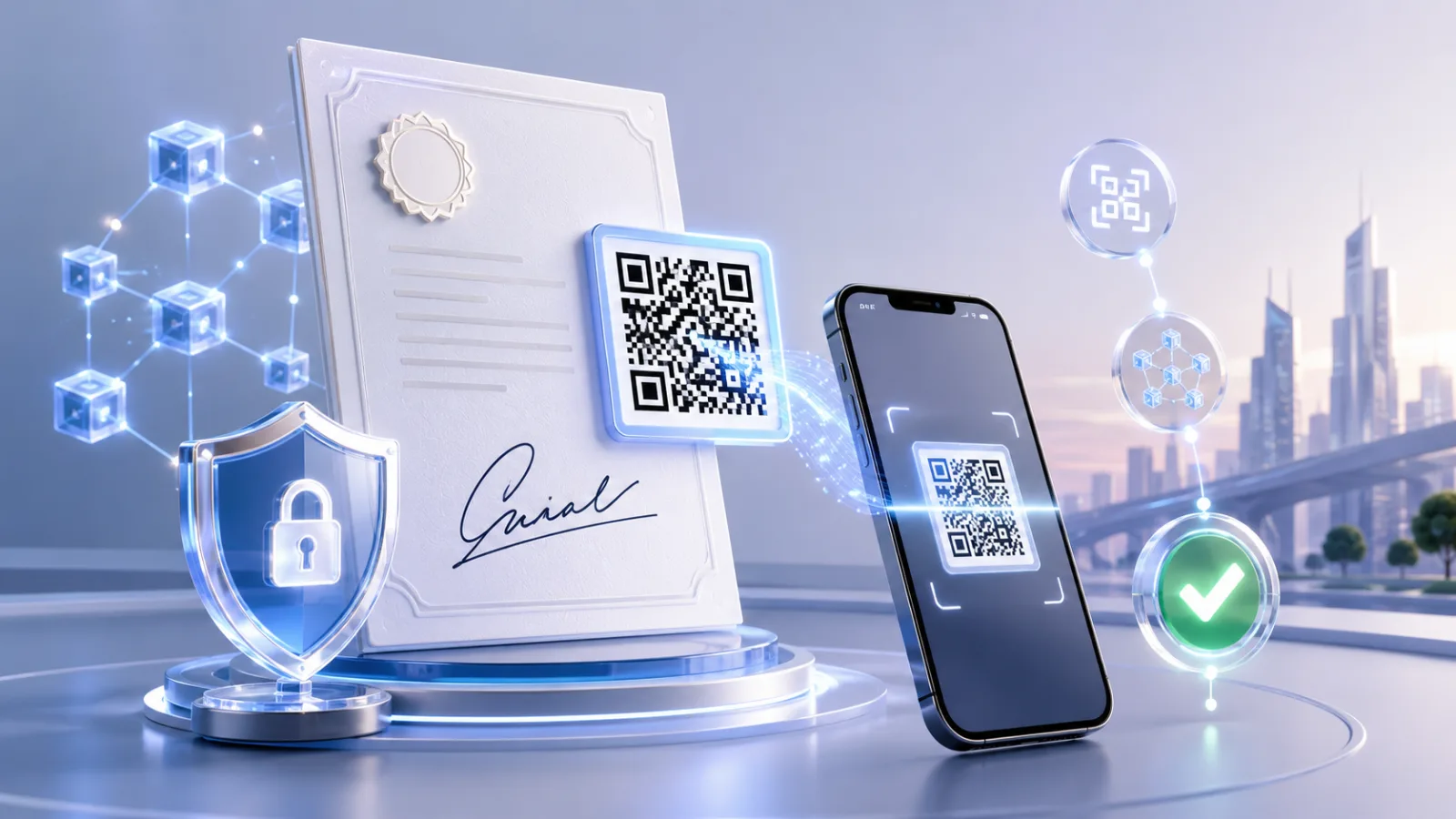
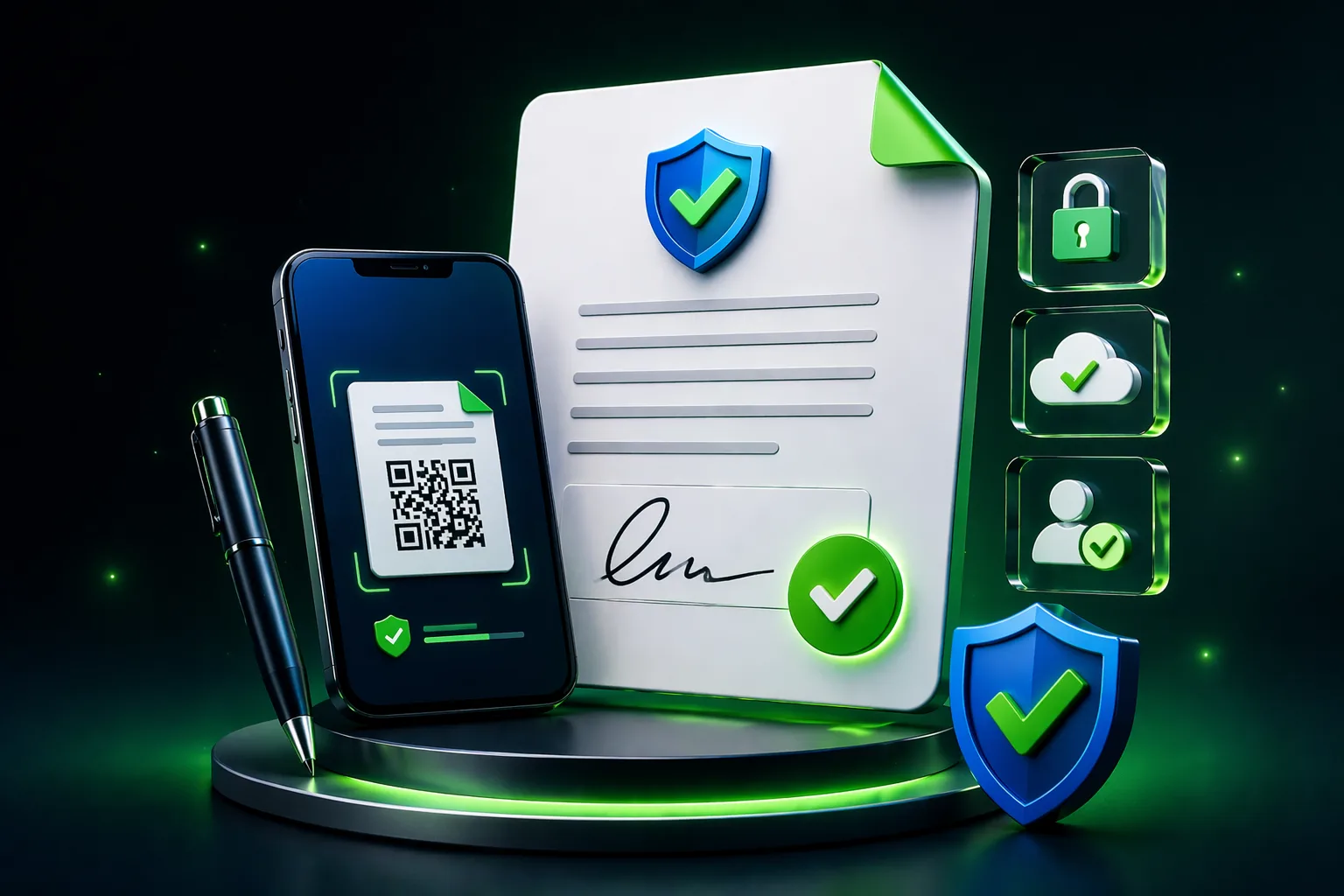
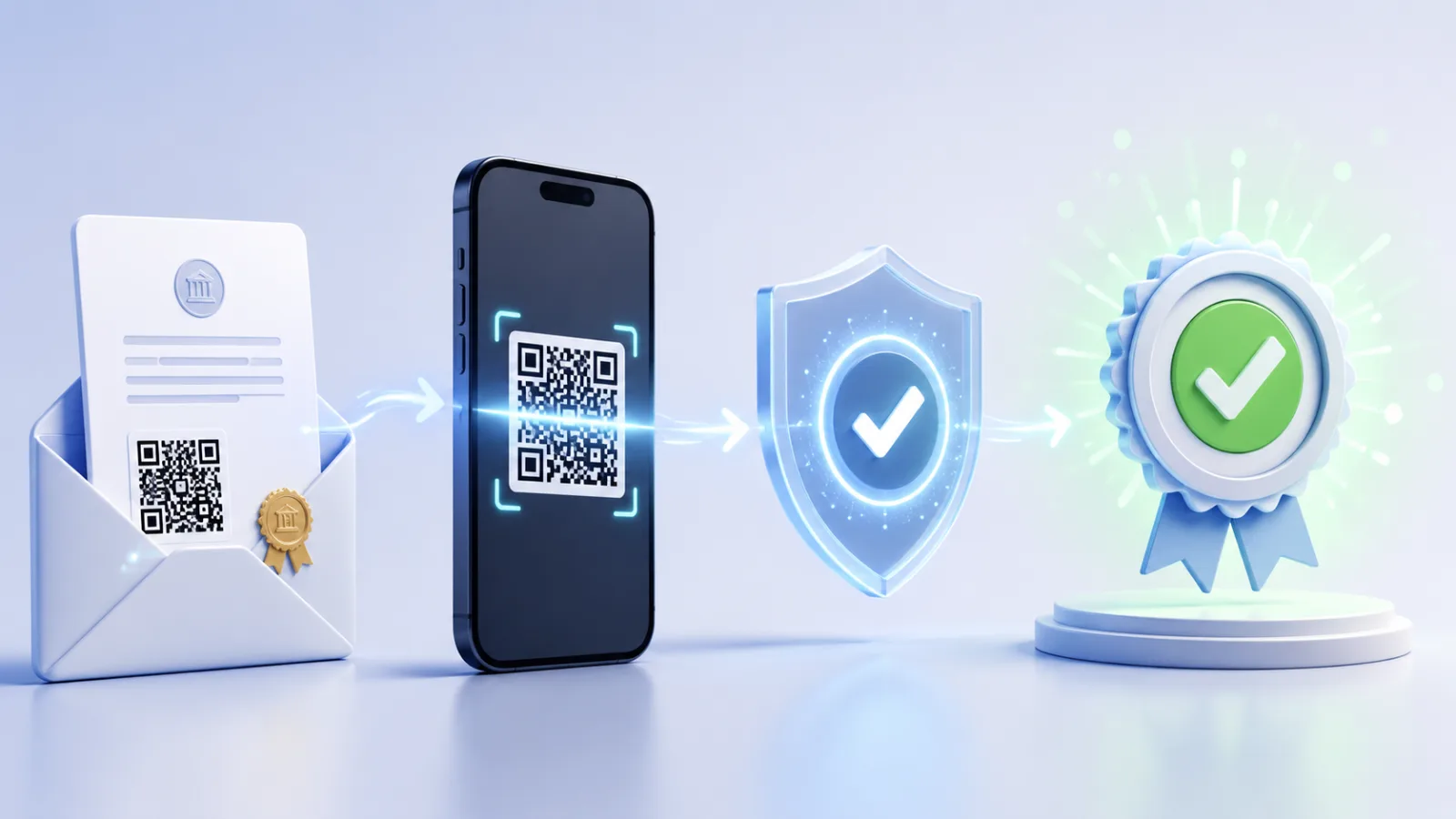
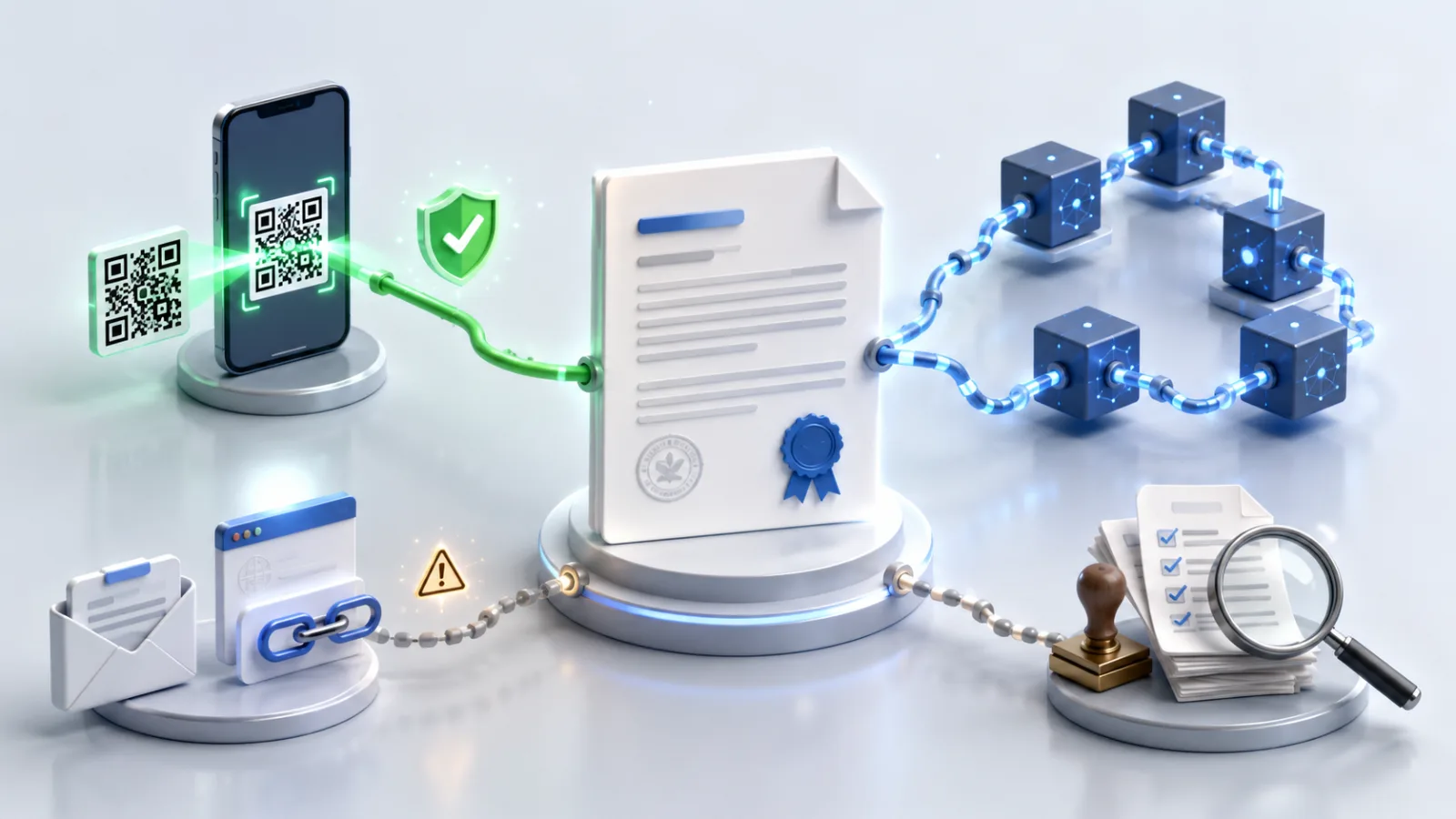
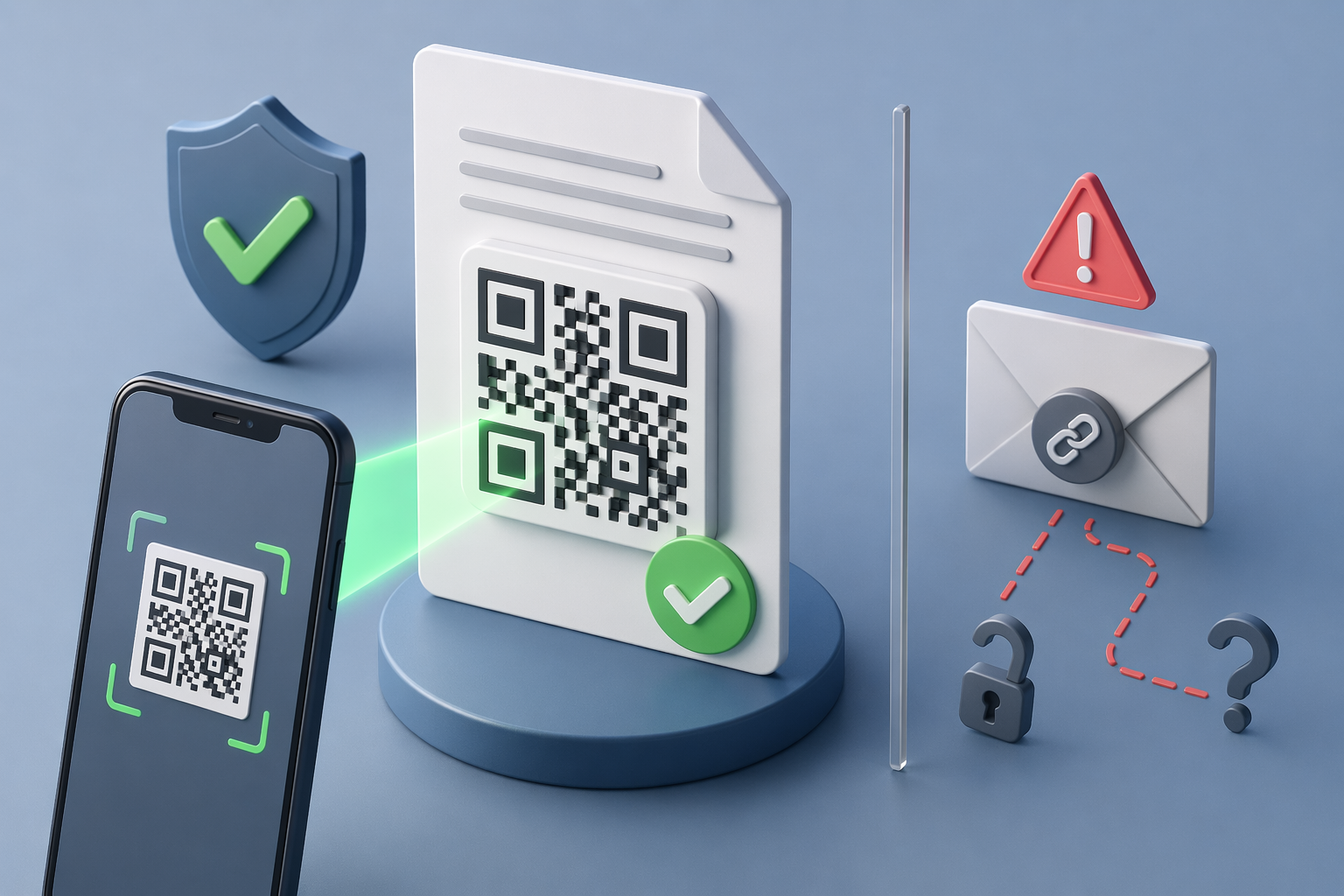
TL;DR (30 seconds): QR-code document verification lets anyone scan a code on a signed document and, in two seconds, see a Certificate of Authenticity — who signed, when, whether the document is still valid, and whether it has been tampered with. It's faster than email-link verification, works offline-to-online, survives printing, and doesn't require the verifier to have an account on any platform. In 2026, as AI-generated document fraud explodes, QR-based verification is becoming the default way credible documents prove themselves.
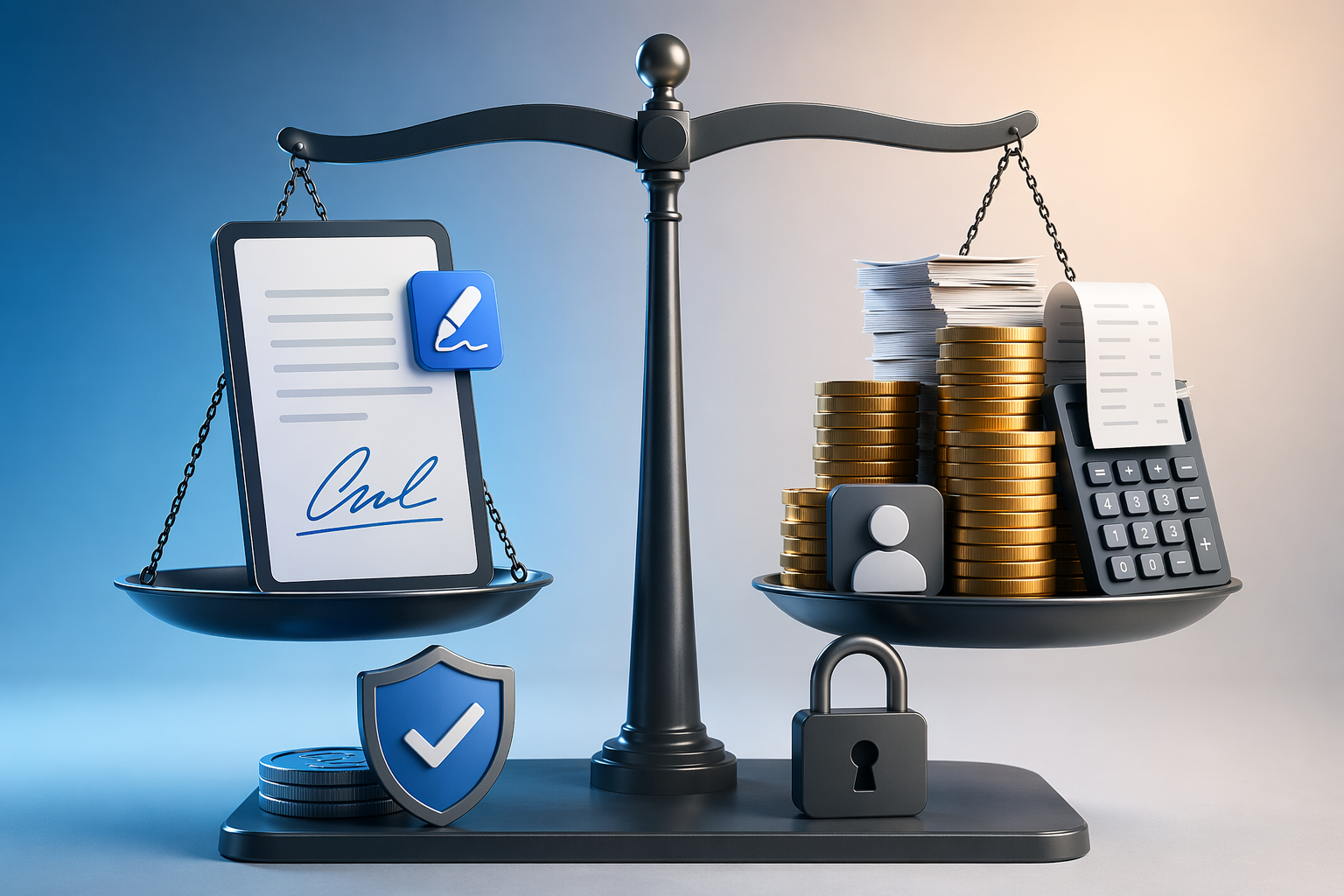
TL;DR (30 seconds): E-signature pricing in 2026 is less about sticker price and more about which features are included versus gated. Two plans at the "same" $25/user/month can differ by hundreds of dollars per envelope once you factor in SMS authentication, bulk send, certified copies, and per-API-call charges. This guide breaks down published pricing from DocuSign, Adobe Sign, airSlate SignNow, PandaDoc, Dropbox Sign, and VerifyDoc — then walks through the add-on fees that quietly change the math. The most affordable platform on sticker price isn't always the most affordable after twelve months.
TL;DR (30 seconds): DocuSign pioneered e-signature, but it's no longer the only serious option — and for most small and mid-sized teams, it's no longer the smartest one. In 2026, the best alternatives split into three camps: enterprise-heavy (Adobe Sign, airSlate SignNow), lean workflow-first tools, and a new category we'll call verification-first — platforms that treat the signature and the certificate of authenticity as one product. This article compares them honestly, including where they each fall short, and explains why the ability to verify a signed document after it leaves your system is quietly becoming the feature that matters most.
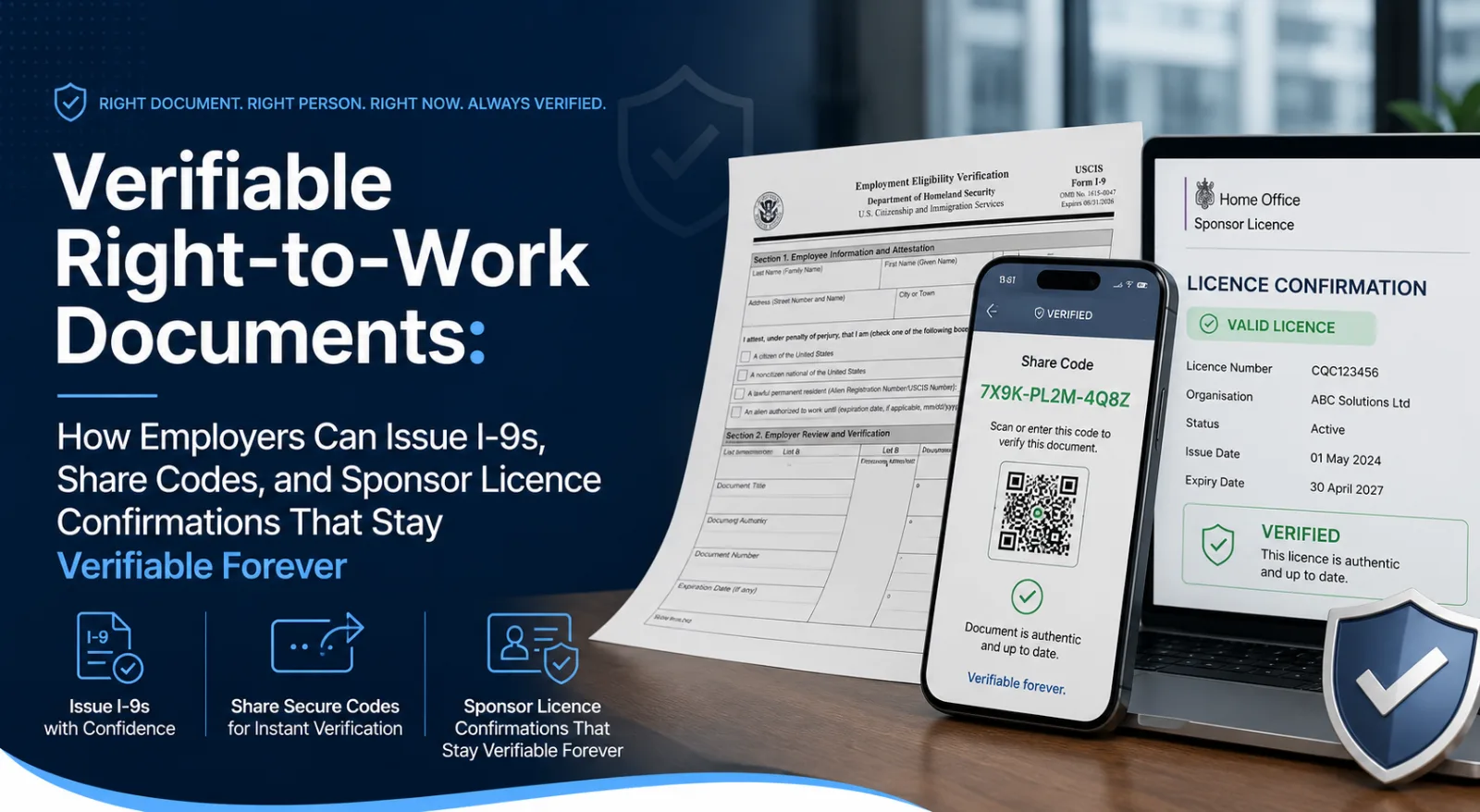
Your HR team probably fields two types of document-verification calls every week. The first: a bank, landlord, or immigration office calling to confirm that an offer letter your company issued is real. The second: a hiring manager asking whether a diploma, reference, or past-employment letter submitted by a candidate is real.
A practical guide to eIDAS - simple, advanced, and qualified electronic signatures. When each tier applies, what they require, and how to comply from outside the EU.
A step-by-step guide to issuing a certificate of authenticity - the 10 required fields, a fill-in-the-blank template, and real examples across industries.
ESIGN vs UETA - what each law covers, where they overlap, which applies to your contracts, and the 4 requirements every electronic signature must satisfy.
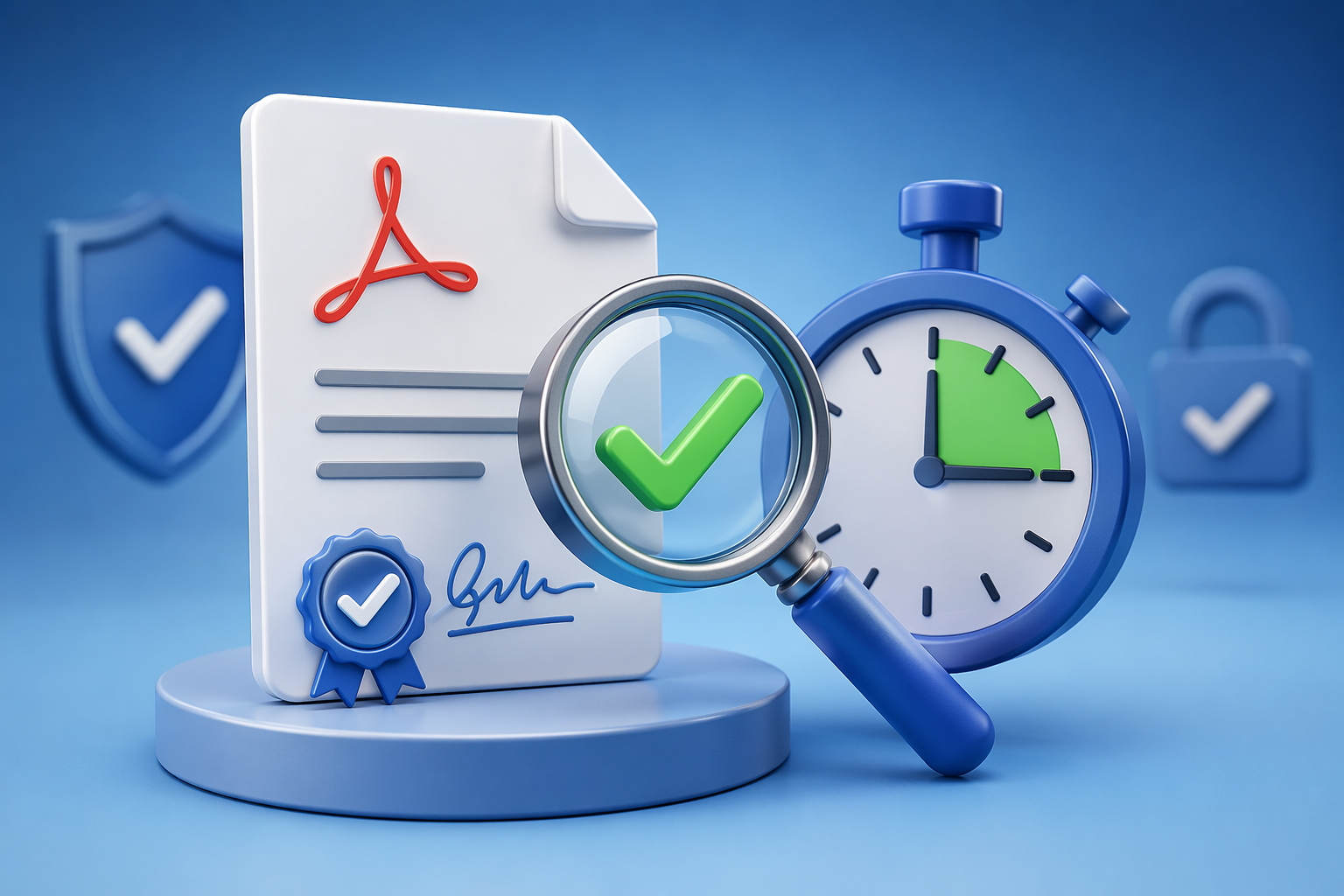
Three practical methods to verify a signed PDF in under a minute - built-in PDF verification, QR scan, and hash comparison. Step-by-step guide.
AI document fraud jumped 311% in a year. Here are the 7 red flags every SMB, HR team, and compliance officer should train on - plus a 60-second verification ritual.
Learn how to verify document authenticity in 2026 with e-signatures, QR codes, and certificates of authenticity. A playbook for SMBs and compliance teams.
Electronic signature vs digital signature explained in plain English. Legal meaning, cryptography, when each matters, and which your business actually needs.