A qualification certificate is only as valuable as it is trustworthy — and in 2026, a certificate that can be forged in minutes puts both the learner and the awarding body at risk. Fake certificates devalue the qualifications you have worked to make credible, expose you to malpractice concerns, and bury your team in verification and replacement requests.
For UK awarding organisations and exam boards, the answer is to issue certificates that are tamper-proof and verifiable at source — so anyone can confirm a certificate is genuine and unaltered in seconds, and a forgery is exposed the moment someone checks. This guide explains how, and how it supports your obligations under Ofqual's rules. It is general information, not legal or regulatory advice.
Certificate fraud is an awarding body's problem
It is tempting to see a forged certificate as the employer's problem to catch. It is not — the damage lands on the awarding body. Every fake certificate bearing your name devalues the qualification you issue to genuine learners, erodes trust with the employers, universities, and professional bodies who rely on your certificates, and generates admin: verification enquiries you must answer by hand, and replacement-certificate requests you must process and authenticate.
And the pressure is rising. AI tools have made convincing forgeries trivial to produce, and Ofqual itself has flagged the risks AI poses to assessment authenticity. A certificate whose only defences are a logo and a signature was designed for a slower, analogue threat.
The regulatory angle: Ofqual's General Conditions and JCQ
For regulated awarding organisations, certificate integrity is not just good practice — it sits inside your regulatory duties.
Ofqual's General Conditions of Recognition are the rules every regulated awarding organisation must meet. The newer Principles Condition requires you, among other things, to act with honesty and integrity, to ensure each qualification is and remains fit for purpose, and to maintain and, where possible, promote public confidence in qualifications. Issuing certificates that cannot be forged and whose validity can be confirmed speaks directly to all three.
On accurate certification, the Conditions expect certificates to correctly reflect learners' achievements and certificate claims to be accurate — Ofqual has taken action where awarding organisations mishandled certificate status. Verifiable issuance gives you a clean, demonstrable record of exactly what you certified. On malpractice and maladministration, awarding organisations must guard against malpractice, and tamper-evident certificates remove an entire avenue of credential fraud. And for exam boards offering GCSEs, AS and A levels, much shared practice — including on malpractice and certification — runs through the Joint Council for Qualifications; verifiable certificates complement those shared rules rather than cutting across them.
In short: making your certificates tamper-proof helps you evidence the integrity and public-confidence duties Ofqual already places on you.
What tamper-proof actually means for a certificate
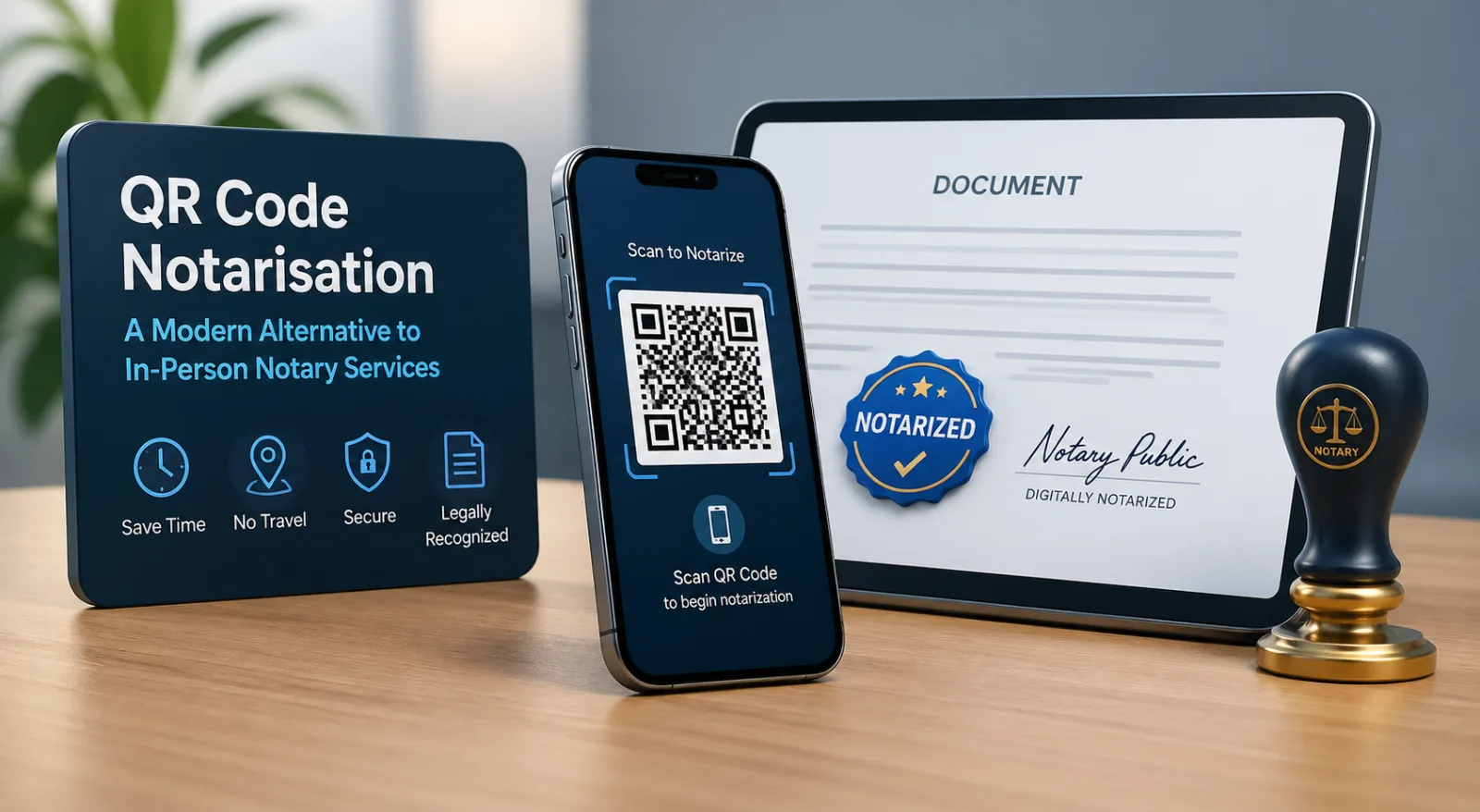
A genuinely tamper-proof certificate is not just a PDF with a watermark. It carries verification built in: a Certificate of Authenticity confirming your organisation issued it; a scannable QR code so any recipient can verify in seconds, with no account or app; tamper-evidence, so if a grade, name, or date is altered the change is detectable; a hosted proof page showing the certificate is genuine, issued by you, and unaltered; and long-term verifiability, so a certificate issued today still verifies when the learner presents it years later.
The certificates to make verifiable
These are the certificates most worth making verifiable, and who relies on each.
| Document | Who verifies it | Why it matters |
|---|
| Qualification certificates | Employers, universities, professional bodies | The headline credential — the most forged |
|---|
| Statements of results and unit certificates | Employers, centres, learners | Interim and component evidence of achievement |
|---|
| Replacement certificates | Employers, learners | High-trust reissue; verifiability removes doubt |
|---|
| End-Point Assessment (EPA) certificates | Employers, apprenticeship bodies | Apprenticeship completion evidence |
|---|
| CPD and professional certificates | Employers, licensing bodies | Ongoing professional credibility |
|---|
| e-Certificates | All of the above | Digital-first issuance with verification attached |
|---|
What verifiable issuance gives an awarding body
Protect the value of your qualifications — and your brand. Forged certificates in your name stop passing silently. You become the single source of truth for anything issued under your brand, and fakes are exposed on the first check.
Evidence your Ofqual integrity duties. Tamper-evidence and a verification trail give you demonstrable support for the honesty, fitness-for-purpose, and public-confidence principles.
Cut the verification and replacement burden. Employers and universities verify by scanning instead of emailing your team. Your certification staff reclaim the hours they spend confirming certificates by hand.
Improve learner mobility. Verifiable certificates sail through employer screening, university admissions, and embassy checks — a direct benefit to your learners and a selling point for your centres.
There is a competitive edge, too: an awarding body that can say every certificate we issue is independently verifiable offers a modern credential service that differentiates it with centres and learners.
How it works — including at results-day scale
The issuing step fits your existing certification workflow.
Generate the certificate through your normal certification process. Issue it through VerifyDoc.ai, which attaches a QR-backed Certificate of Authenticity and a hosted proof page; pair it with e-signatures where certificates need signing. Issue in bulk or via API so an entire cohort can be certified at results-day scale, integrated with your certification system rather than handled one at a time.
Recipients then scan to verify — employers, universities, and centres confirm authenticity at source. And certificates stay verifiable for the life of the credential, wherever the learner presents them.
How this fits Ofqual, JCQ and the Learning Records Service
To be clear about scope: verifiable issuance is complementary to the existing system. It does not replace Ofqual regulation, the General Conditions of Recognition, JCQ's shared rules, or the Learning Records Service and Personal Learning Record that records regulated achievements in England. Those continue exactly as they are. What verifiable issuance adds is a way for anyone to confirm the specific certificate you issued is genuine and unaltered — closing the gap between this is a regulated awarding organisation and this individual certificate is real.
One important point: VerifyDoc.ai is an issuer-side tool, not a regulator or accreditor. It does not confer recognition, replace Ofqual's processes, or verify another organisation's certificates — it lets you make the certificates you issue independently verifiable. See how it works.
Rolling it out
You do not need to convert everything at once. Start with your highest-volume qualification certificates — the ones most often forged and verified. Integrate via API so issuance scales with your certification runs, and add e-certificates as a digital-first option for centres and learners.
Tell centres, employers and learners your certificates are now verifiable — make it a visible mark of quality. Then extend to replacement, EPA, and CPD certificates as it becomes routine.
Make every certificate you issue impossible to fake
VerifyDoc.ai gives each certificate your awarding body issues a QR-backed Certificate of Authenticity that any employer, university, or professional body can scan to confirm it is genuine, unaltered, and yours — protecting the value of your qualifications and evidencing your integrity duties. Start free or see how it works.
Related reading: How to verify a UK degree certificate or transcript and UK GDPR and verifiable documents: an issuer's guide.
This guide is for general information and does not constitute legal or regulatory advice. Confirm current Ofqual, JCQ, and related requirements through official sources.