To verify a UK degree, use HEDD (Higher Education Degree Datacheck) — the UK's official degree-verification service — or the awarding university's own verification service. To verify a non-degree qualification, such as a GCSE, A-level, or vocational qualification, check Ofqual's Register of Regulated Qualifications and confirm the certificate with the awarding organisation. In every case, also confirm the institution is a genuine, recognised body and not a degree mill.
This guide walks through each route, the red flags of a fake, and how universities and awarding bodies can make their credentials verifiable at source so this whole process takes seconds. It is general information, not legal advice, and focuses on UK qualifications.
The fastest way to verify a UK qualification
If it is a degree, verify it via HEDD (hedd.ac.uk) or the awarding university's verification service. If it is a GCSE, A-level, or vocational qualification, check Ofqual's Register of Regulated Qualifications, then verify the certificate with the awarding organisation.
In both cases, check the institution is real — a recognised degree-awarding body, not a bogus university — and match every detail (name, course, qualification type, classification, and dates) against the verified record. If it cannot be verified, do not accept it.
First, know what you're verifying: degree vs regulated qualification
This distinction determines which route you use.
Degrees are higher-education awards. UK universities are granted degree-awarding powers, with academic standards overseen in the HE sector by the QAA and the Office for Students, not by Ofqual. Degrees are verified through HEDD or the university.
Regulated qualifications — GCSEs, A-levels, and vocational or technical qualifications — are regulated by Ofqual in England, which also regulates the awarding organisations (such as Pearson, AQA, City & Guilds, NCFE, OCR) that issue them. These are verified with the awarding organisation.
Getting this right saves you from, say, asking a university to verify a vocational certificate it never issued.
How to verify a UK degree (HEDD)
HEDD (Higher Education Degree Datacheck) is the UK's official service for verifying degrees and authenticating universities, run by Prospects, part of Jisc. It is used by over 470 recognised UK institutions and by employers, recruitment and screening agencies, embassies, councils, notaries, and postgraduate admissions teams across more than 147 countries. Candidates cannot verify their own awards through HEDD — they do that through their university. A HEDD check confirms the candidate's name, qualification type, course name, year of award, classification, and dates of attendance.
To verify a degree, register at hedd.ac.uk as an enquirer, select the awarding institution from the list of UK higher-education institutions, and choose verify a degree award. Enter the candidate's details — full name as registered, date of birth, course, qualification type, year of award, and classification — usually with a signed HEDD consent form; the details all appear on the degree certificate. Then read the result: in real time, the data is checked against an encrypted extract of the university's student records, and if it matches, it verifies; if not, it is routed for manual checking.
There is a per-check fee, commonly around £14. Some universities also accept verification via third-party services such as Qualification Check, which themselves route through HEDD. For a current student who has not yet been awarded, ask them for a Confirmation of Study letter from the university instead.
How to verify a regulated qualification (Ofqual and the awarding organisation)
For a GCSE, A-level, or vocational qualification, start by checking Ofqual's Register of Regulated Qualifications to confirm the qualification and its awarding organisation are regulated. Ofqual-regulated certificates typically state Ofqual regulated and carry the Ofqual mark.
Then verify the certificate with the awarding organisation directly — Pearson, AQA, City & Guilds, NCFE, OCR, and others operate certificate-verification and replacement services. Match the details — learner name, qualification, grade, and award date — against the awarding organisation's confirmation.
How to check the institution is genuine
Verifying the document is only half the job; you also need to know the institution is real.
Confirm it is a recognised degree-awarding body. HEDD's database states whether an institution is a recognised degree-awarding body, and tracks name changes and mergers. The UK also publishes lists of recognised bodies, which can award degrees, and listed bodies, which deliver courses leading to a recognised body's degree.
Watch for degree mills. Bogus universities sell fake but official-looking degrees. HEDD has helped identify more than 400 bogus institutions and close many of them. A lookalike name, an unrecognised institution, or accreditation from an unfamiliar accreditor are all warning signs.
Red flags: how to spot a fake UK degree or certificate
Watch for any of these. The institution is not recognised — not in HEDD, not on the recognised-bodies list, or a known degree mill. The award cannot be verified through HEDD, the university, or the awarding organisation. Classification or dates do not match the verified record, such as a 2:1 on the certificate but a different result on file.
Lookalike branding — an institution name a hair's breadth from a real university. Fake accreditation — accredited by a body that does not actually regulate UK education. Or pressure and excuses for why you cannot verify it through official channels.
Why verification is slow — and the fix that ends it
Notice how much friction the legitimate process carries: a per-check fee, a consent form, a registration step, manual processing when records do not match, different routes for degrees and vocational qualifications, separate confirmation letters for current students. It works — but it is slow, fragmented, and puts the burden on the recipient every single time.
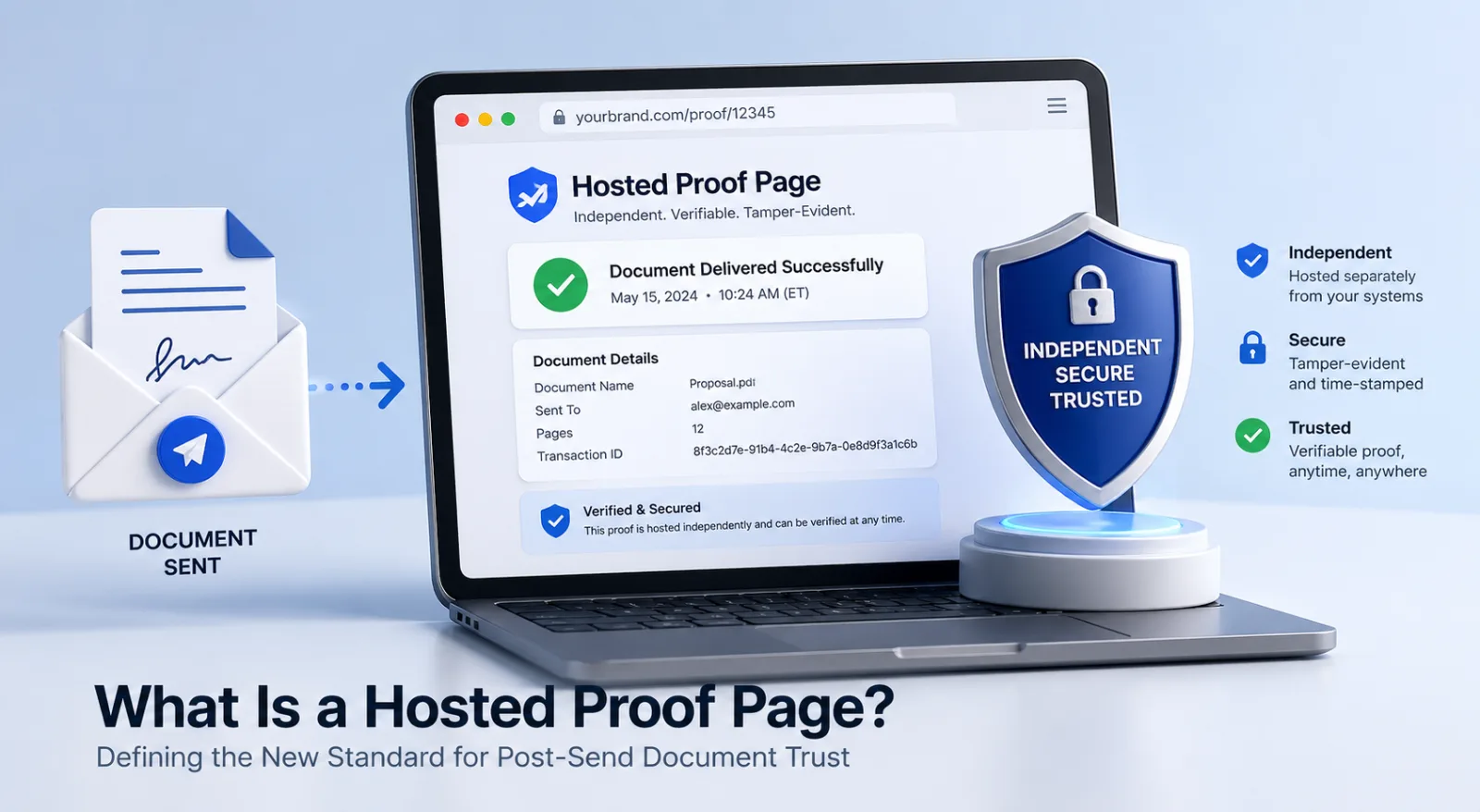
The structural fix is issuer-side verification: the university or awarding body issues the credential with verification built in, so anyone can confirm it at source in seconds. If you are a university, awarding organisation, or training provider, VerifyDoc.ai lets you issue degrees, transcripts, and certificates that each carry a QR-backed Certificate of Authenticity and a hosted proof page — so an employer, embassy, or admissions office can scan and confirm the award is genuine and unaltered instantly, without a HEDD lookup or a registry email. Universities issuing internationally will recognise the same pattern in our guide for Nigerian universities issuing QR-verifiable degrees.
One important point: VerifyDoc.ai does not replace HEDD, Ofqual's register, or the recognised-bodies list, and it is not a service for checking a third party's degree — for verifying someone else's UK qualification, use the official routes above. What VerifyDoc.ai does is let an institution make its own credentials verifiable at source. See how it works.
A checklist for employers, recruiters and admissions
Identify the credential type — degree, via HEDD or the university, versus regulated qualification, via the awarding organisation plus the Ofqual register. Verify through the official route, not the paper alone. Confirm the institution is recognised and not a degree mill.
Match every detail — name, course, classification, dates. Get candidate consent where the route requires it, as HEDD does. And treat unverifiable credentials as unconfirmed, however convincing they look.
Issue credentials the world can verify in seconds
If you are a university, awarding body, or training provider, VerifyDoc.ai lets you issue degrees, transcripts, and certificates with a QR-backed Certificate of Authenticity that any employer, embassy, or admissions office can scan to confirm is genuine and unaltered — no lookup, no waiting. Start free or see how it works.
Related reading: How to verify a degree or transcript with QR codes and How Nigerian universities can issue QR-verifiable degrees and transcripts.
This guide is for general information. Verification services, fees, and regulatory bodies change; always confirm current steps through HEDD (hedd.ac.uk), Ofqual, and the relevant institution or awarding organisation.